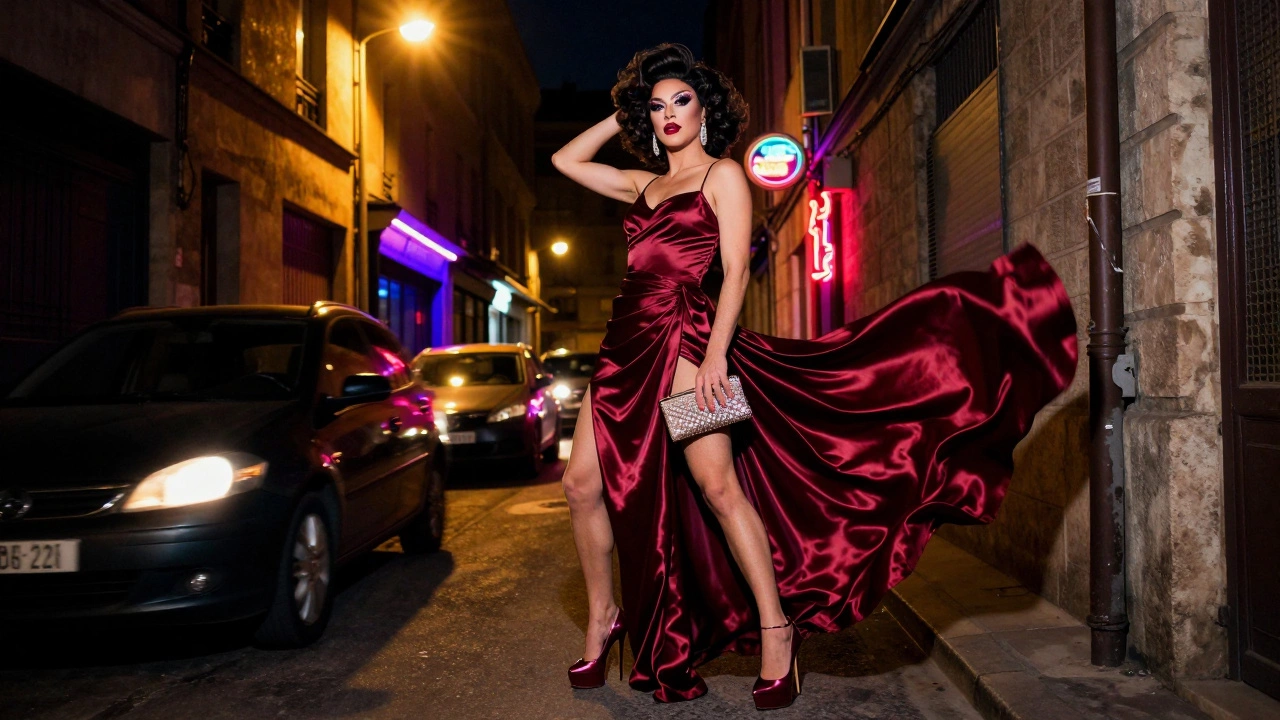
When you see someone in towering heels, bold lipstick, and a gown that glows under club lights, you might call it theater. But for many, it’s survival. Femme drag isn’t just makeup and wigs-it’s a daily act of redefining power, visibility, and worth in a world that still tries to box people into rigid roles. And for some, that performance spills directly into the streets, where sex work becomes both economic necessity and radical self-expression. The line between stage and sidewalk blurs when your body is your only currency and your identity is your most potent tool.
In Paris, where fashion and freedom collide, you’ll find femmes who move between glittering cabarets and quiet hotel rooms with the same precision. Some advertise as escort parus, others as sexmodel paris, not because they’re chasing stereotypes, but because they’ve learned how to turn perception into profit. Their work isn’t about being seen as fake-it’s about being seen as real, on their own terms. The glamour isn’t an illusion; it’s a strategy.
What Femme Drag Really Is (And Isn’t)
Femme drag isn’t just men in dresses. That’s a lazy stereotype from the 90s. Today’s femme drag performers include trans women, nonbinary folks, cis women, and genderfluid artists who use exaggerated femininity to expose how performative gender is in the first place. Think of it as wearing a mask that reveals more truth than your face ever could. The curls, the contouring, the thigh-high boots-they’re not hiding who they are. They’re amplifying it.
Historically, drag has been tied to underground queer spaces: ballrooms in New York, underground clubs in Berlin, cabarets in Paris. But modern femme drag doesn’t need a stage. It lives in Instagram DMs, in late-night rides in black sedans, in the quiet confidence of someone walking into a boutique and knowing they’ll be looked at differently because they chose to look that way. The performance doesn’t end when the lights go off. It just changes venues.
Sex Work as Gender Labor
Sex work isn’t a side gig for most femmes in drag-it’s the engine that keeps the art alive. Makeup costs money. Wigs cost more. Studio time for photoshoots? Even more. And when you’re rejected from traditional jobs because you don’t fit the ‘professional’ mold, sex work becomes the only viable path to financial autonomy. That doesn’t make it easy. It makes it necessary.
Many femmes who do sex work describe it as a form of emotional and aesthetic labor. They’re not just offering physical intimacy-they’re offering a fantasy, a role, a version of femininity that feels safe, powerful, or desirable to their clients. And because they’ve spent years perfecting their look, their voice, their walk, their gaze, they’re not selling sex. They’re selling expertise. A client isn’t paying for a body. They’re paying for a carefully constructed experience.
This is where the myth of ‘exploitation’ gets messy. Yes, some femmes are trapped in abusive situations. But many others choose this work because it gives them control over their time, their image, and their income. They set their rates. They screen clients. They refuse bookings. They build brands. They’re entrepreneurs with a unique skill set: the ability to make someone feel seen, desired, and safe-even if only for an hour.
The Performance of Desire
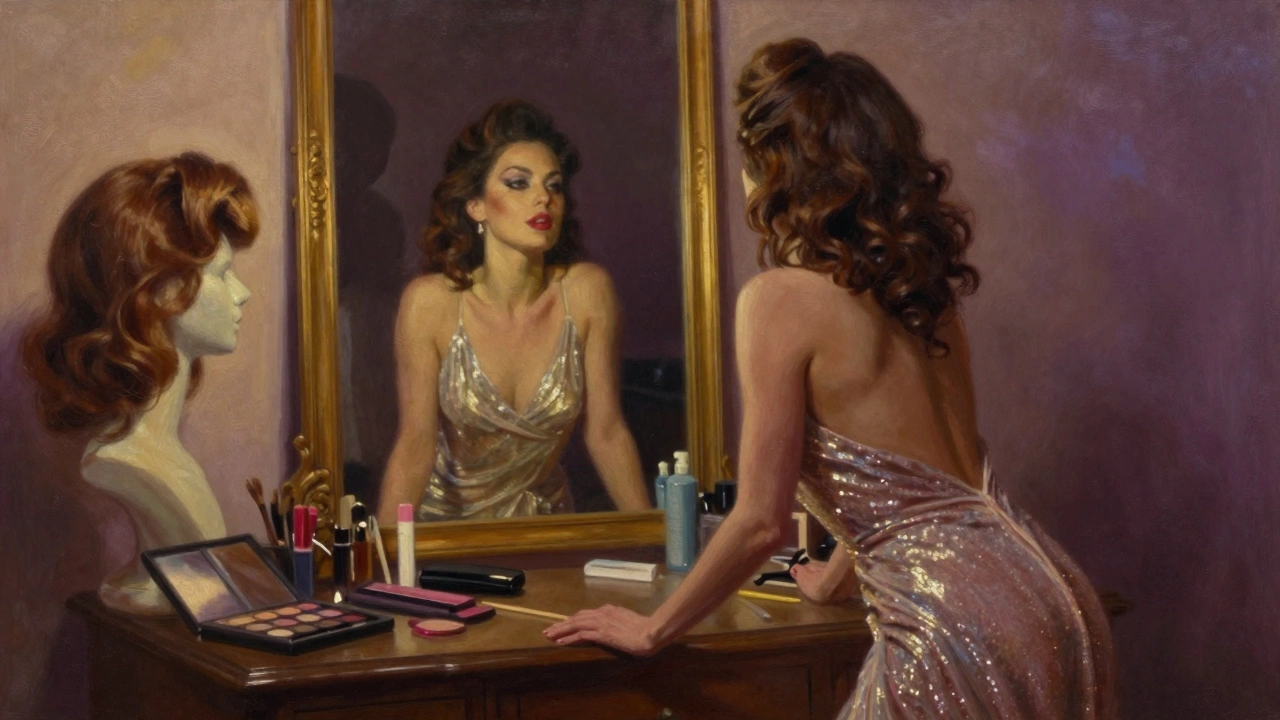
Gender performance isn’t just about how you look. It’s about how you make others feel. A femme in drag doesn’t just wear a dress-she choreographs reactions. The way she tilts her head, the pause before she speaks, the way she lets her fingers trail along a glass-these aren’t random. They’re calculated. They’re inherited from decades of queer women, trans femmes, and sex workers who learned early that survival meant mastering the art of being desired.
That’s why so many femmes in sex work also identify as performers. They know the power of presence. They’ve studied the way light hits skin, how silence can be louder than words, how a glance can make someone feel like they’re the only person in the room. That’s not manipulation. That’s mastery.
And here’s the twist: the same skills that make someone irresistible in a bedroom make them unforgettable on a stage. The same confidence that draws clients to an escort grils paris listing also draws crowds to a drag show. The difference? One gets paid in cash. The other gets paid in applause. Both are valid. Both are political.
Paris as a Stage
Paris has always been a city of performance. From the Moulin Rouge to the Marais, the city has long been a haven for those who refuse to be invisible. Today, that legacy lives in the quiet corners of Belleville, the neon-lit halls of Pigalle, and the private apartments where femmes work as sexmodel paris, crafting intimate performances that are just as curated as any cabaret act.
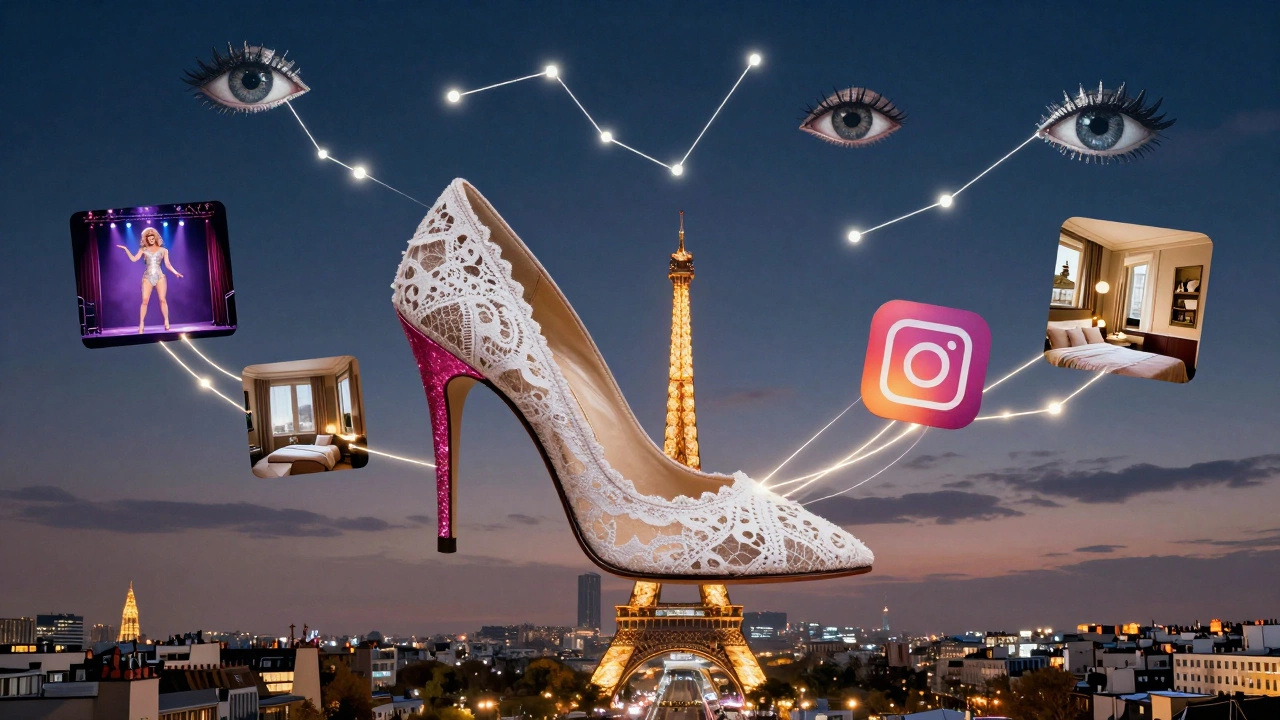
Unlike in cities where sex work is criminalized, Paris offers a gray zone. It’s not legal, but it’s not hunted. As long as there’s no pimping, no trafficking, no public solicitation, many femmes operate with surprising freedom. They build Instagram portfolios. They use encrypted apps. They network with other performers. They share tips on safe clients, lighting setups, and how to make a wig last through six back-to-back bookings.
What makes Paris different is the cultural tolerance for artistry. A femme in drag isn’t seen as a scandal here-she’s seen as a kind of living sculpture. That doesn’t mean she’s safe. It doesn’t mean she’s respected. But it does mean she’s rarely ignored.
Breaking the Binary, One Heel at a Time
The most powerful thing about femme drag and sex work together is how they dismantle the idea that femininity is weak. These women aren’t trying to be ‘like men’ or ‘better than men.’ They’re showing that femininity can be fierce, loud, demanding, and unapologetically lucrative. They’re rewriting the script: you don’t need to be a man to command power. You don’t need to be straight to earn respect. You don’t need to be clean-cut to be professional.
When a femme walks into a room in six-inch stilettos and a silk robe, she’s not asking for permission. She’s already taken it. The room adjusts to her. That’s the real magic. That’s the revolution.
Why This Matters Beyond the Stage
This isn’t just about drag queens or sex workers. It’s about what happens when people are forced to perform to survive-and then turn that performance into art. It’s about the quiet rebellion of existing fully in a world that wants you to shrink. It’s about the fact that gender isn’t something you’re born with. It’s something you do. And when you do it well, you can change the rules.
Every time a femme chooses to wear a gown to a client’s apartment instead of jeans, she’s saying: I won’t hide. Every time she charges $300 for an hour because she’s spent years learning how to make someone feel beautiful, she’s saying: My labor has value. Every time she posts a photo online and gets tagged by someone who says, ‘I wish I could be that brave,’ she’s saying: You can be too.